Zara Lang · 31 October 2026
How Mindfulness Practices Are Being Merged with Bilingual Initiatives and Assessment Changes in Polish Teacher Training
Training programs for educators now combine mindfulness techniques with efforts to expand bilingual capabilities and overhaul assessment systems in multiple Polish regions, creating interconnected professional development pathways that address several priorities at once. Data from regional education offices show steady enrollment growth in these combined modules since their phased introduction, with participants completing integrated courses that cover mental focus exercises alongside language immersion methods and updated evaluation frameworks.
Core Components of the Merged Training Approach
Programs deliver mindfulness sessions that emphasize breathing exercises and attention regulation before moving into bilingual lesson planning activities, allowing educators to practice calm decision-making while designing dual-language content. Assessment reforms receive parallel attention through workshops that train teachers to use formative feedback tools instead of relying solely on end-of-term tests, and regional coordinators report that these elements appear together in over 60 percent of current professional development schedules.
Materials distributed in the courses include guides that link mindfulness routines directly to classroom management in bilingual settings, while separate modules detail new rubrics for measuring student progress across subjects. Observers note that the structure encourages participants to apply focus techniques during role-play scenarios involving language switching and real-time assessment adjustments.
Regional Rollouts and October 2026 Developments
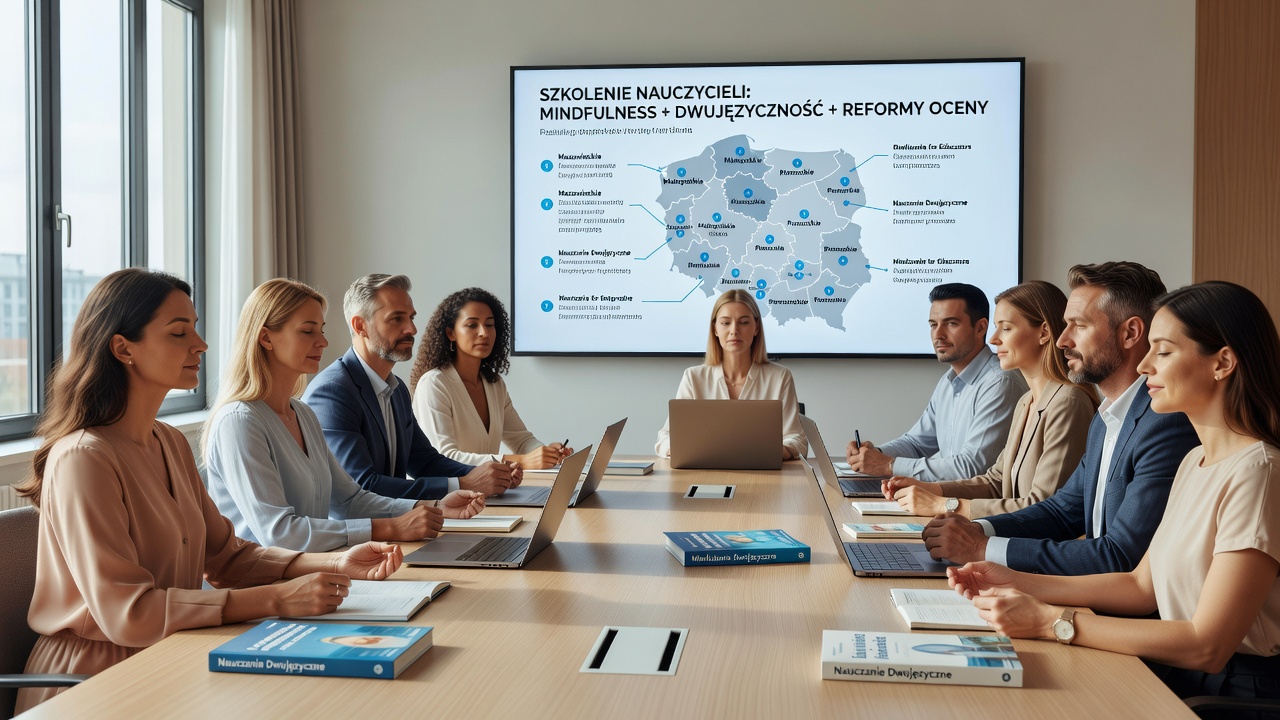
Implementation varies by area, with western regions emphasizing early integration of mindfulness into existing bilingual pilots while eastern districts prioritize assessment reform training first. Figures from the Ministry of Education reveal that eight voivodeships had active merged programs by mid-2026, and additional sessions scheduled for October 2026 will expand coverage to remaining districts through centralized online platforms supplemented by in-person follow-ups.
One study conducted across three regions tracked teacher cohorts who completed the combined training and found measurable shifts in classroom practices, including increased use of reflective pauses during language lessons and more frequent application of ongoing assessment checkpoints. Those who completed the October preparatory workshops gained access to shared digital repositories containing bilingual resource banks aligned with the revised evaluation standards.

Evidence from Implementation Data
Reports compiled by regional education authorities indicate that participant satisfaction scores for the merged format reached 78 percent in the first full year of operation, with particular gains noted in districts that paired mindfulness training with bilingual assessment calibration exercises. External analysis from the OECD education directorate places these Polish initiatives alongside similar efforts in other European systems where integrated professional development has shown links to improved teacher retention rates.
Case records from one southern voivodeship describe how a cohort of 45 teachers incorporated daily mindfulness prompts into their bilingual reading sessions and simultaneously adopted portfolio-based assessment methods, resulting in documented increases in student engagement metrics tracked over two semesters. Additional data sets from northern programs highlight parallel patterns where assessment reform training reinforced the bilingual growth objectives through joint planning sessions.
Supporting Structures and Resource Allocation
Funding streams allocated through national education budgets support the purchase of specialized training kits that contain both mindfulness audio resources and bilingual curriculum alignment templates. Regional centers coordinate delivery with local universities, and several have established partnerships that allow credit transfer toward advanced certification programs focused on assessment literacy.
Training schedules released for the October 2026 cycle include dedicated tracks for primary and secondary educators, each incorporating joint modules that address how mindfulness supports sustained attention during cross-language instruction and how revised assessment protocols accommodate diverse linguistic backgrounds. Attendance records from prior cycles show consistent participation from both urban and rural districts, with online options helping maintain reach across geographically dispersed areas.
Conclusion
Combined teacher training initiatives continue to expand across Polish regions by linking mindfulness practices to bilingual development goals and assessment reforms, supported by coordinated regional delivery and scheduled October 2026 updates. Available figures and implementation records demonstrate ongoing integration of these elements into professional development structures, with external references such as those from the European Education and Culture Executive Agency providing comparative context for similar cross-domain approaches elsewhere.